Sending your way to Success... Email is NOT dead!
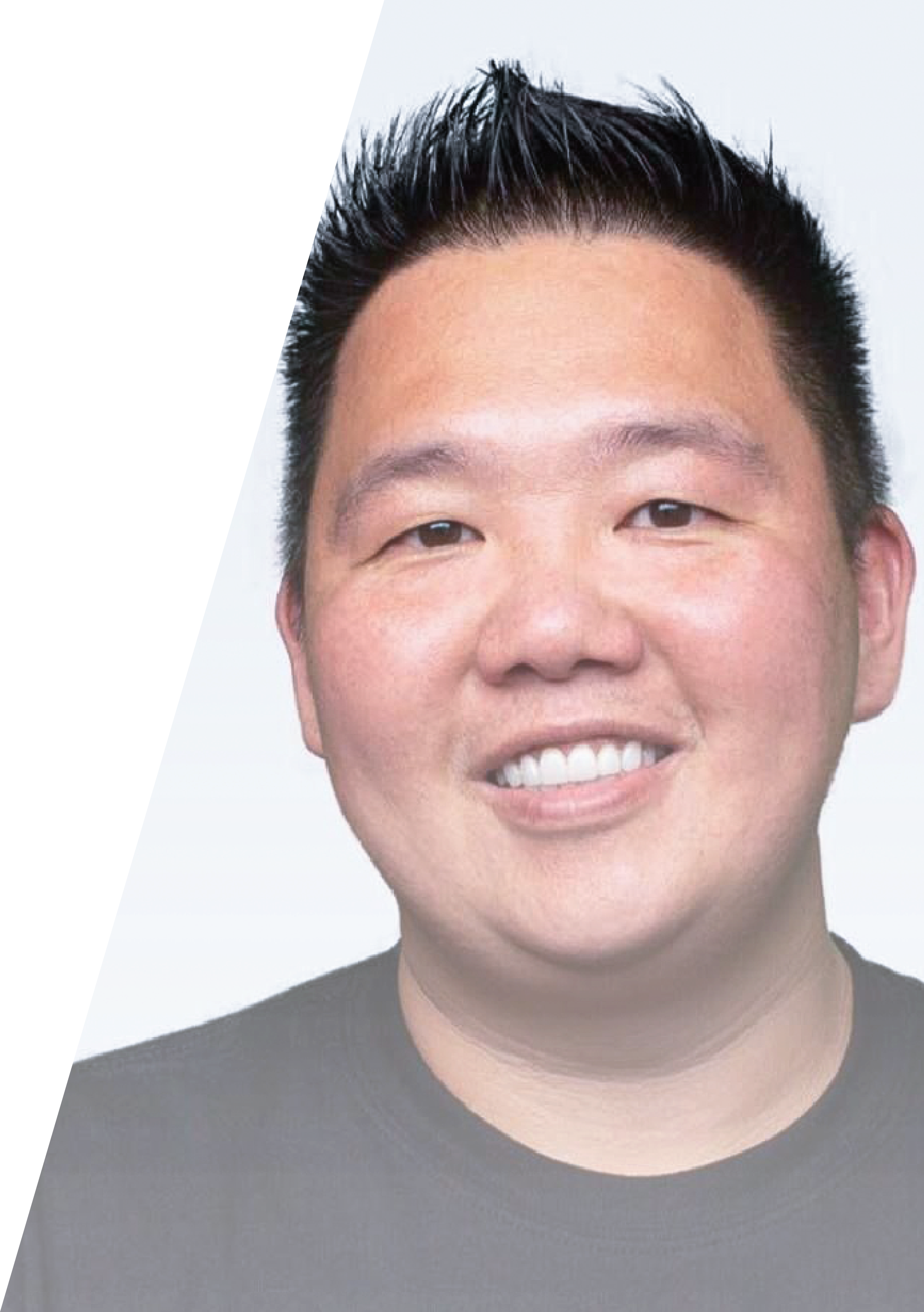
Jimmy Kim /
CEO & Co-Founder Sendlane
Episode 267 - Jimmy Kim/Todd Westra
Todd Westra
Jimmy Kim
02:01 Hey, welcome to this episode. I am so
happy to have Jimmy Kim on the episode today because Jimmy is a man after my
own heart. He loves sending to leads. He's a, he's a lead master. He knows how
to talk to him. He knows how to capture, he knows how to build a call to
action. Jimmy's got a lot going on in his head. And I cannot wait to get in
this interview because he helps people grow and build their marketing machines
and generate those initial leads that his salespeople need to grow. So Jimmy,
let's jump in, man. Who are you and what do you do?
02:34 Hi Todd. Uh, thank you, uh, for having
me here today on the show. Very, very excited to be here and to share our, you
know, share some wisdom and learnings and pains and everything that I have.
But, uh, my name is Jimmy Kim. Uh, I am, uh, the CEO and Co-founder of Sendlane.com. That's what we do. We're email and SMS marketing
automation platform for e-commerce merchants. So, um, yeah. So how did this all
start? I think it's always interesting because I look back and, you know, the
Sendlane. What I do today wasn't what I always did of course. And I've gone
through a lot of careers. I actually started my life in the car business
actually. I started off, actually washing cars, going to selling cars, and
eventually being a general manager of three Saturn stores. This is way back in
the day, 2007, 2006, 2005. So, that was my first career. And uh, you know, I
did it at a very young age and I was very successful. That I would've never
known that would've happened for me,right? But I would say that that was my
first live life.
03:33 Car washer to three GMs.
03:34 Yeah,
03:35 I mean, that's awesome!
03:36 Yeah, it was cool, man. It was, uh, it
was something special, you know, a lot of people under me and learned a lot
from service to, you know, finance, to uh, down to just raw sales, mechanics,
everything around it. And, you know, I always felt love with it. So anyways,
that was my~
03:50 Good for you.
03:51 Yeah, that was my first life.
03:52 That alone is a success story. I mean,
that's awesome!
03:54 Oh, thank you. Thank you. So I made my
first pivot when I said in 2008 that I didn't want to do this anymore. I wanted
to go do something else. So I ended up, uh, jumping into a company and, you
know, I knew the founder and the CEO at that time, and I went to him and said,
look, I'm not here to like be your lifelong like employee. I'm gonna tell you
upfront, I told him that I am very good at operating and I understand how to
run a business, but I need to learn how to do digital. And so if you teach me
digital, I'll help you how learn how to operate your business. And that's kind
of barter we’ve made, so three years together we worked. I helped him flip
across a lot of debt that he had into profits. And we really created a smooth
operating machine. And with that, I launched my own per first business. So my
first business, I started off by teaching people how to make money online. I
was, I was teaching people how to build businesses essentially. Uh, building an
email list.
04:44 Cool.
04:45 And then also mail him and make money
off of it through affiliate marketing. So, It was my first business. Um, you
know, as that business evolved, it became a software business. Once I realized
that I needed to solve my own problems, so things like click tracking and
printing ebook covers, and so that business eventually evolved into a software
company. At that same time, I got, I invested in a little, uh, little a little
clothing brand. A friend of mine needed a PO that needed to be covered for a
Pacific Sunwear, and I had some money and I said, okay, I'll cover that for
you. But once I put some money in there, I realized that I was more interested
in it and, uh, eventually became a partner of the company. And, uh, we started
to grow this brand. It was a men's street wear brand. It was a cut and sew made
in the USA. Uh, we, a lot of brands, celebrities, famous people and stuff
wearing our clothes. But that was a really journey and we did that for several
years. So about four years in the world, I, uh, was building a DC brand Uh,
started off in retail, went completely fully e-commerce at the end. That's
obviously me. Showed up and said, why aren't we doing e-commerce? And so we got
online and then we realized that the retail side wasn't making money and everything
online was so, um, you know,
05:47 And retail is such a pain in the butt!
05:49 Yeah. Yeah, exactly. So, uh, I mean,
e-commerce is too, so I mean, either way they have their own challenges, of
course But, uh, yeah, so, you know, that was that, and that's kind of wheres
Sendlane derived all out of. So all that story I just told you about, you know,
the brand and my other business and everything else,
05:57 Right.
05:58 I needed a tool and it was this weird
story where me and two other, my co-founders of this company, we initially were
sitting at a table. We, none of us up worked together, but we worked in the
same like markets. And we sat down and said, we need something better, guys.
Like, let's do something. And you know, we, we didn't know we were young, uh,
entrepreneurs and probably thought things were easier than they were. And I'll
tell you, they, we thought they were way easier. And we said, oh yeah, we'll
just throw some money in together and we'll build this little platform. And we
did that, right? It cost a lot more money than we thought it would, but we
ended up building this platform built for us, built for no one else. And that's
kind of where the, the birth of Sendlane have been. And then, As I look forward
into, you know, what happened from there, and this is when the snowball in
2017, I decided that I was bored of my cash generating business. So a
generating business that was probably making me about a million dollars net in
my pocket a year. Uh, and I just said, this just isn't big for me. Like, I
can't see bigger than this. Boring! It's not giving me the fuel. And then I had
some creative differences with my partner at my clothing store at that time,
because I wanted to scale bigger and he didn't wanna scale as big. So, uh, you
know, we, we just got into a place and I said, you know what?
I, I need to do something different. So
that's when the day Sendlane was born in 2017. Uh, and then, basically the rest
is, is history. I mean, we basically, from there, uh, we knew we had an immediate
product market fit, went and sold on it. So we can raise our seed fund, raise
our seed raise, um, and then knew that we had to build this brand new platform.
So we've built a new platform, uh, got it going, proof of concept, things
moving, and then we got our series A and then, you know, over the last, uh, 18
months since then, and what's that called again? I, uh, what's that called? We
had to learn a lot of pain. A lot of pain to figure out some of the repeatable
things to get growth and scaled and engine going on GTM. And eventually, you
know, we recently just raised our series B even in this market and we're still
accelerating. So, you know, as I say this, love it. In January we hired 23
people. So like we're still forward. Uh, and um, it's because of our unique
position in the market. You know, our competitors have out-priced us with all
these price increases essentially, right? And we are delivering. A better
service and a better product for significantly cheaper. And not because I
wanted to, because they priced me out there. And, uh, that's helping us win
deals. And that's, that's basically what it, where we are today, I guess.
So..
08:17 I love it. You know, so many people
look at, so many people. Look at the, uh, the digital marketing space and, and
the, the, especially the space that you're in, you know, when, when people, it,
it's almost like voodoo magic and a lot of people just care not to know. About
how this whole world works in that ecosystem. But those of us that have been in
there, and I spent a good 11, 12 years, uh, not only building campaigns and,
and marketing leads and, and doing a lot of customer service and all that kind
of stuff, all the elements that go into what you do; It is a fascinating thing,
and you're right, there aren't very many solutions out there that people can
jump to to really find a reliable place to send, to receive, to, to kind of
build that lead ladder where they need to funnel these things in, put 'em into
the right places, retarget them, remarket to them, and say, now that SMS is a
big part of the game, it only makes that game so much more fun, in my
opinion.
09:12 Correct.
09:14 And so I, I'm so proudy, man. I love
what you've built. Um,
09:17 Yeah, thank you.
09:19 This journey, this journey, I mean, it
sounds like you've been from, you know, literally from car washer to where
you're at now. What would you say is like the, the point in that journey where
you thought, did this thing is, is fun? Like this is just really fun to grow
this thing,
09:32 You know, you know what's fun, uh, and
my mentor talks to me about this as well too. And uh, yeah, you know, different
people tell me this, but as a founder what's weird is, you don't get to enjoy
the things you've done until you look back often. It doesn't make sense cuz you
live in the moment as a founder because your job is to live in the present and
in the future. And for many times in the moment, you're living in the future.
So though, yeah, things are going freaking well right now. All I can do is
worry and, and concern myself about the future. And so, I would say the biggest
learning is actually a historical learning because I always look back and I go,
wow, that was a good time and that was a great time. What was I doing that
during that time? Why don't I do more of that right. So, uh, that would be the
better way of saying it for me, cuz I can't say that as a founder like I'm sure
anyone who's listening to this founder can relate to that statement like, It's
tough.
10:23 Totally.
10:24 It's tough to enjoy the moment and it's
hard for me to celebrate.
10:26 It's so hard.
10:27 All I think about it next is, what's
that next thing I gotta win? Or where else I'm not gonna get there?Right.
10:32 Dude, dude, I love it. You know, you
speak so much about, about that founder mindset and you know, we, we, uh, as,
as founders of companies and as founders of companies that have grown and
scaled, especially you know, there's pivotal moments where you're like, okay,
is this really worth it? Now, what's been one of those moments where you looked
at what you're building right now and you said, okay, this challenge, it just
sucks. How am I gonna, how am I gonna beat this thing? What, what was that
thing in your, in your experience in growing a scaling?
11:02 Oh God, there's so many things I could
say on that one. I think, I think, um, you know, one of the hardest things that
always are tough when you're thinking about. The journey is not just the
people, the funding rounds and everything else, but it starts with the top
right? I'm talking about like the co-founder side of things. I had some co-founder
conflict in the early days and it, you know, it wasn't that because I didn't
love the guy, it wasn't because we were right, the greatest of friends. We just
didn't see eye to eye eventually and I think, but one of the pivotal moments of
our company was, you know, it was 2019, so it's been long enough that you know,
it's it. The pain's not there, of course anymore. We've all moved on.
11:39 Kinda settled a little bit.
11:40 No, we had to make the hard decision.
It was me or him kind of deal, right? Like that's where we got to. And that was
probably the most pivotal thing. It was one of us are gonna lead it and one of
us needs to walk away cuz this ain't working for our friendship and we're not,
we're hurting the company because of it. And that was one of the toughest
things that came into place. And I would say, pivotal wise, that was probably a
big pivotal decision. And it's no different than anything else, like a
relationship or anything else. Like, it's hard and no one wants to do it. But I
would say that was my most pivotal thing that I've had to deal with, uh, within
this journey of this one. However, you know, It as the dust settled, everyone
got better. We're all still friends. We all still love each other. We laugh and
giggle and you know, they thank me. I think the best part is he thanks me that
it was the right move. And he knows that cuz he says no one would've been able
to do it with me.
12:22 Right. Right.
12:23 So he gets it, right? So it, it's
a learning, but it's also pivotal for sure.
12:29 So Jimmy, I mean, I, I would say
that the majority of people that have a partner in their business right now
have those moments where they're like, ugh,my gosh! You know what I mean? Like,
yeah. What, what, when you hit that, like what, what did you do to, uh, if you
were to do it over again, what do you think is the one thing that you would do
differently to kind of prepare for that moment a little bit better?
12:50 You know, the biggest lesson of this
business and the funniest thing, is that first day formation and that cap
table, that cap table would've been way different from the beginning. So my
earliest and number one lesson I've learned is that~
13:04 Love it.
13:05 ~make people truly, I know, I know. It
sounds horrible. What do you mean you gotta vest in my own company that I'm an
old co-founder of? Vest him. Trust me. uh, next time, a hundred percent.
Anybody, even myself. I need to be vesting too. Like it's only fair for the
future of the business and to be a real business that has a chance to succeed.
My, my thing is going all the way from day one. I know that you and me are
friends and we're equals, yada, yada, yada. But I'm sorry, Todd. Someone's
gotta be a majority. Someone's gotta be a final say. Someone's gotta be the
decision maker. And I'll tell you that that was probably a early hindrance and,
uh, something that we, I've learned really hard, uh, from this company's
journey. And I will never make that mistake into the future.
13:49 I love it. You know, I, I, I, I'm not
gonna go into a lot of detail, but I had a partnership for 11 years. 10, 10, 11
years. And, uh, and, and we were both grateful that somewhere early on we kind
of had an exit strategy. You know, we, we kind of started talking about it and,
and just that conversation about, dude, if we ever decide to exit this thing,
what is that gonna look like and how does it work for both of us, you know? And
when it finally came time to where, you know, To be honest, like we both
admitted that after two years we kind of outgrew each other. We, we really
didn't need, It's all, either one of us could have taken the business and run
and, uh, and so after, after 10 years or so, it was like, yeah, dude, I, I
wanna go build something big, you know? And yeah, he's like, well, yeah, if
you're it, if you're out, I'm just, I'll take over. You know, and it was a very
easy transition.
14:37 The
whole thing at the start. I know it sounds painful. But do the legal thing,
that's basically what I'm saying is be better about that and be smarter about
it. So yeah..
14:45 I agree. I love it. Dude, that's a beautiful story and and I, and I
think that that is a pain that a lot of people have to deal with when it takes.
A conversation about, you know, what does it take to scale? Sometimes it's
cutting some fat, sometimes it's loosening some overhead up that really isn't
adding value.
15:05 Yeah. Absolutely!
15:07 And putting it into someplace.. kind
sounds mean.. It is!
15:11 It is. But you know,
unfortunately there's a lot of things in business that are harsh, right? Like,
you know, as you scale, you, you, your day ones no long, you know, a lot of
your day ones exit over time. It's just normal, right? They're just different
staged people in that early day. You need a generalist and you need specialists
and you need, uh, you know, more scale. Right? There's different types of
people. And it's sad always. Like I will say, like what you just said, like
you're right, it is, but it is obviously empathetically. I am sad because you
look at it and you're like, I wish they could have been part of the entire
journey with me. But the reality is that's just not how it works, right? That's
not how life, it's just not how it worked
15:45 Yeah, it's just not how it worked. I
love it. Yeah. I love it. Now, now as you look out in your network, you talked
a little bit about having a mentor. Um, I love giving shout-outs and I, I think
it's, I think it's good for other founders to hear that, you know, this guy
Jimmy just built this amazing software group, software company and his technology
and stuff like that, but like who did you lean on? Like there's always somebody
outside the company that you look at and says, oh my gosh, man, they really
helped me kind of to, to get through those hard moments.
16:16 Yeah, I mean, this is a good timing.
I'm writing him an email for our call tomorrow for our agenda of, of our call.
So, um, I would say, I would say I have two types of mentors right now. If I
were to say who are, who are the people you listen to most out in the network?
I would listen to
Brett Fox, that's my CEO, coach, mentor. He helps
me, he trains, you know, mostly~ psychological. He listens to me and all that
good stuff. He's been a huge asset over the last, what, three, three and a half
years now. So it's been a great ride. And I don't plan to leave aside, I mean,
he's done this job many times and he, it's true experience really helps. And
then I have my silent It does. And my silent mentor is just someone I look up
and I say, I know there's like names, but I always look up Jason Lemkin. I'm sure you know who that might
be.He's a SaaS Founder, CEO, and he's just inspirational. I, I think that, I
always say that his socialmedia talks to me because sometimes he says things
that are on top of my head, anyways. On your head, he's a founder and he gets
it right? He's done the founder job a couple times and he's just saying the
same thing. And I have learned one thing with scale is like, The same problems
that you had under early stage show up. They're just a different format or the
different version. Add add that same problem later on, right? It's the same
thing that happens and that's why it feels like it's always relevant no matter
what scale I'm at. And that's basically what he talks about. So I, I would say
those two are pretty awesome people in the world and they're helping the world
move forward. At least they've helped me move forward and I'm, you know, so I,
I would say that's awesome.
17:45 I love it, man. Dude, let it go. I,
first of all, I just wanna say, dude, I, I'm super proud of you. Uh, there's a
lot of people that are in that space that, that you're in who just get icky,
you know what I mean? They get, they start playing with shady parts of, of, of
the email network world, and, and they just kind of get into places where they
probably shouldn't be. And, uh, and, and you have been able to come into that.
Look at it, evaluate where you want to be and position yourself where you're
out of the ick and you're into the practical. Which, I've always thought that
that industry has very practical skillsets that have applied to the right
place.
18:15 Correct.
18:16 It's a completely above board really
cool business to be in. So way to go.
18:17 Yeah. It's actually helping businesses
make real revenue. It's actually really fun to see and see these companies, you
know, communicate with their customers, have two-way conversations. And then
sell 'em and close them like, how cool we're helping these businesses actually
grow, you know? So I love it. I do. I I know what you mean though, Todd. Like
mostly it's a lot of bad spam newsletter, different things that if you're not
like verticalizing into a place, but yeah, we've created a solution. Our email
is a part of the feature, but the rest of it, yeah, right.The segmentation
engine and all that good stuff is really important too.
18:50 Love it. Love it, dude. Awesome! Hey,
how do people get ahold of you? What? What if someone wants to kind of catch up
with you and what, where are you at?
18:56 Yeah. I'm in two places. I exist mostly
in the world. LinkedIn? If you look me up, not a hard name to find me, Jimmy Kim. I've got a following, I post quite
often there. And I also am on Twitter. Uh, you can find me on twitter @yojimmykim.com. Jimmy Kim, so yojimmykim, y o so you
can find me there. And I, I tweet pretty often up there too. So those are my
social networks. That's where you'll find me. Obviously always find the company
in Sendlane, uh, Sendlane.com as well too.
19:21 Love it! Jimmy, I have a feeling
you're gonna be a guest on my, uh, on my LinkedIn lives coming up here shortly
cuz I just think we got a lot of, we, there's a lot of, lot of cool stuff we
can talk about to, uh, help businesses grow and scale their businesses. So
thank you so much for sharing your bits with us and uh, and I hope people do
reach out because it, it, it's inspiring. I love, I loved everything you said
today. It was just a beautiful, beautiful step into what it does take to scale
and I appreciate you sharing with us. Thanks man!
19:49 Thanks Todd.
2023 The Growth and Scaling Podcast, Inc. All Rights Reserved.


